
Responsible business intelligence
See preventable harm before it becomes a business surprise.
Strategine helps organisations connect risk signals, evidence, ownership, and response—so leaders can see what is happening, decide what matters, and act in time.
Trace accountability model
Signals → shared view → accountable action
Signals
Source
Incident
Source
Feedback
Source
Field data
view
Action
Outcome
Owned response
Outcome
Reviewed decision
Connected
Risk signals
Grounded
Evidence + context
Owned
Response + decision
01
See the signal
02
Understand the risk
03
Own the response
04
Learn what worked
The problem
The information exists. The complete picture often does not.
Grievances sit in one system. Audit findings sit in another. Corrective actions live in spreadsheets, while worker feedback, field observations, and supplier records move on different timelines. Each source may be useful; together, they rarely form a view that leadership can act on.
Responsible Business Intelligence is the organisational capability to connect those fragments—risk signals, context, evidence, ownership, and response—into a coherent understanding of what is happening and what should happen next.
From fragments to one picture
Separate records → connected evidence → shared understanding
Records
Source
Grievance
Source
Audit finding
Source
Corrective action
evidence
One picture
Outcome
Shared picture
Connected
Separate records
Grounded
Evidence + context
Usable
Shared understanding
Who we help
A shared picture for people who carry different parts of the responsibility.
Legal, sustainability, operations, procurement, and leadership often see different parts of the same issue. We help them work from a common account of the risk, the evidence behind it, the response under way, and the decision still needed.
Sustainability / Responsible Business
Compliance / Legal
Procurement & Operations
Executive leadership
Why Strategine
Responsible business becomes real in the operating layer.
Frameworks define the responsibility. We help organisations build the management practice that connects what they know to what they do next.
Start with the reality you already have
We work with existing records, teams, and reporting rhythms before recommending new structures or technology.
Connect information to a decision
A signal becomes useful when its significance, evidence, owner, response, and next decision can be understood together.
Test whether action worked
Completion is not the same as effectiveness. We help teams retain the follow-up needed to understand what changed.
Build accountability into management
The result should support ordinary review and escalation—not appear only when a report, audit, or buyer request is due.
What we do
Four ways we help organisations build this capability.
Strategic Advisory
Strengthen responsible business strategy, governance, executive oversight, and due diligence readiness so it becomes part of everyday decision-making, not a standalone compliance activity.
Accountability System Design
Design practical systems that define ownership, strengthen governance, and improve evidence management, connecting the systems organisations already use rather than replacing them.
Responsible Business Intelligence
Connect fragmented operational information into executive reporting, oversight, and continuous visibility, so leadership understands what deserves attention before preventable harm occurs.
Digital Solutions
Design and implement digital systems that operationalise Responsible Business Intelligence where technology genuinely strengthens organisational capability. Trace is our flagship platform.
Where technology fits
Trace is Strategine's flagship platform—one expression of this capability, not the company itself.
Where ongoing, organisation-wide visibility is the goal, Trace operationalises the same approach as a sustained platform: connecting risk signals, evidence, ownership, and response into one accountability system.
The software platform is in active development. Today, Strategine applies the same operating model through focused engagements.

Our perspective
Global expectations meet local reality.
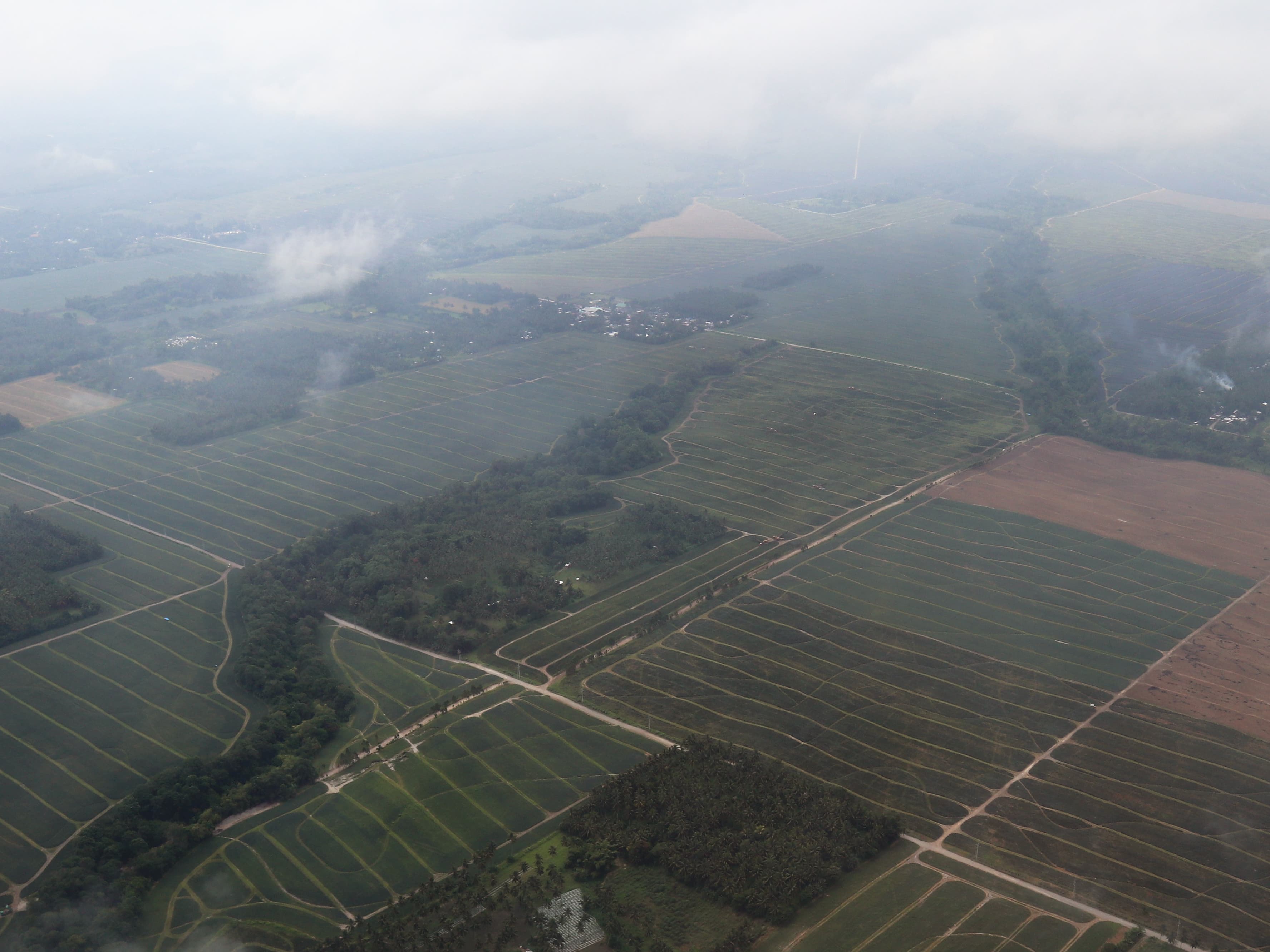
Responsible-business expectations may be set in boardrooms, standards, and law. Their consequences are experienced by people in workplaces, communities, farms, facilities, and supply networks.
Based in Nairobi, we bring proximity to producers, workers, communities, and export value chains to sector-neutral work. That perspective helps us connect formal requirements to evidence and response that make sense in the operating context.
External expectations
Strategine operating layer
From expectation to accountable practice
Observable reality
Expectation
What must be understood
Operating practice
How responsibility becomes manageable
Evidence
What changed and what remains
Insights
Clear thinking for responsible-business decisions.
We explain the concepts behind due diligence, evidence, grievance, remedy, and leadership oversight in plain language—then show how they change day-to-day decisions.


Questions & answers
Understand the ideas before choosing a solution
Next step
What might your organisation be missing because the signals do not connect?
Start with a focused inquiry. We will help you map the decisions that matter, the evidence already available, and the gaps preventing a clear view.